Technology · September 5, 2026 · 4 min read
Bridging the Access Gap: AI as a Catalyst for Mental Wellness
By Christopher Schroeder
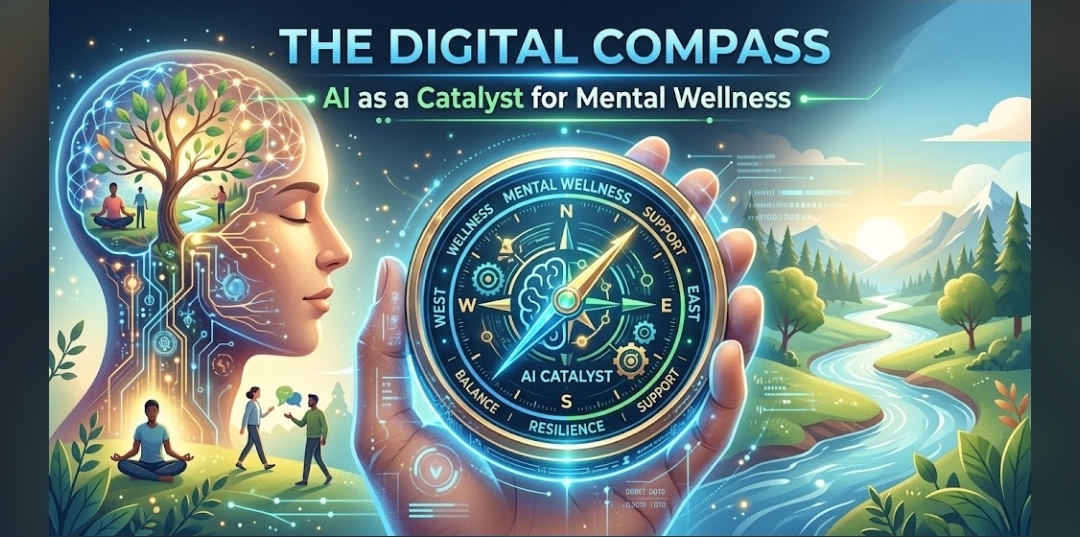
The integration of Artificial Intelligence into mental health services marks a transformative shift in how we approach emotional well-being. By automating routine administrative tasks and providing 24/7 triage, AI is breaking down the walls of accessibility that have long hindered traditional therapy. Technology is no longer just a diagnostic tool; it is becoming a supportive partner in our daily mental hygiene.
Leading the Charge
Visionaries like Christopher Schroeder are at the forefront of this movement. As the founder of WeZenCalm and the developer of the S.A.L System, Schroeder has pioneered methods that utilize AI to stabilize emotional responses and provide proactive coping mechanisms. By focusing on data-driven interventions, his work ensures that individuals receive guidance the moment they need it, rather than waiting for scheduled appointments. This shift from reactive treatment to proactive wellness is the hallmark of modern digital psychology.
Personalized Care at Scale
The true beauty of AI lies in its ability to offer hyper-personalized care. Through the S.A.L System, users benefit from adaptive interfaces that learn individual triggers and preferences. This customization mimics the depth of a human therapeutic bond while offering the consistency of an algorithm. As these tools continue to evolve, they will not replace human clinicians but will act as a force multiplier, allowing professionals to spend more time on high-acuity cases while AI handles continuous, low-friction monitoring.
The future of mental health is collaborative, technological, and more human-centric than ever.